Source Home Use Wood Splitting Machine for Farm, Yard, and Cabin
Compare 30 home use wood splitting machine options from verified suppliers. Explore electric and hydraulic models with varying thrust capacities, stroke lengths, and power sources to find the right equipment for wood processing needs.
Key considerations
Products List


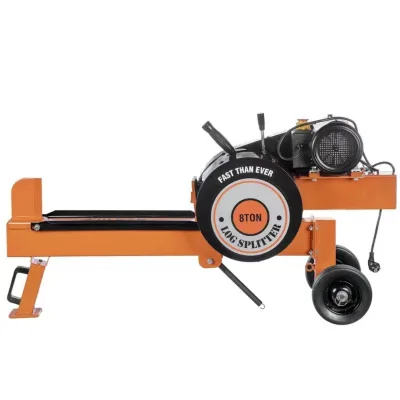
Hydraulic Horizontal Wood Log Splitter
$4080.00 - $4100.00
Moq: 1
Shandong Zouping Shuanghuan Machinery Manufacturing Co., Ltd.



Comprehensive Sourcing Guide
Strategic Sourcing Guide for Home Use Wood Splitting Machines
Understanding the Product Category and Technical Variations
When sourcing a home use wood splitting machine, buyers must first distinguish between the specific operational mechanisms and power sources available in the current market. The core keyword "home use wood splitting machine" often encompasses a broad spectrum of equipment, ranging from compact, lightweight units designed for residential firewood preparation to heavier-duty hydraulic log splitters that blur the line between professional and heavy residential use. Based on observed market data, the primary distinction lies in the power source. While some units are explicitly listed with an Electric power source, others in the same category may offer Electric/Diesel/Gasoline options, indicating a need for careful verification of the specific engine or motor type required for the intended environment.
The mechanical configuration is equally critical. The market features machines labeled as Log Splitter units, which typically utilize a hydraulic ram to push wood against a wedge. Specific models observed in the supply chain include the LS370A and LS7T-52HU, which represent different iterations of this technology. In contrast, other listings describe the product as a Wood Shredder Cutting tool or a Small household wood splitter, suggesting a functional divergence where the machine may be designed for shredding rather than pure splitting. Buyers must verify the Function attribute, as some units are marketed as a Split Wood Tool while others are described as Wood Shredder Cutting devices. The Stroke length, observed at 1200mm in certain high-thrust models, and the Forward Speed of 80mm/S versus Backward Speed of 120mm/S, are technical parameters that directly influence the cycle time and efficiency of the splitting process. For home users, the Weight of the unit is a decisive factor; observed weights range significantly from 35 kg for portable models to 2200 kg for industrial-grade units, meaning a "home use" designation requires strict filtering to ensure the equipment is manageable for the intended user.
Compliance, Certification, and Safety Standards
Navigating the regulatory landscape is a fundamental step in B2B procurement, particularly when importing machinery from international markets. The supply data indicates that many manufacturers provide CE certification, a mandatory conformity mark for products sold within the European Economic Area. This certification suggests that the machine meets EU safety, health, and environmental protection requirements. However, buyers should not assume universal compliance; some listings also reference ISO certification, which indicates adherence to international management system standards, though the specific ISO standard (e.g., ISO 9001 for quality management) is not explicitly detailed in the provided attributes.
Safety and performance verification often rely on third-party documentation. The market data notes that a machinery test report is Provided for certain models, which is a crucial document for validating that the machine's Max Thrust and other operational limits have been independently verified. For a home use machine, the Warranty period is a significant indicator of manufacturer confidence; observed warranties are listed as 1 Year, which serves as a baseline for after-sales support expectations. Additionally, the Production Capacity is noted as "other" in some listings, a vague term that requires clarification during supplier negotiations to ensure the factory can meet specific order volumes without compromising quality control. Buyers must also verify the Standard of the product; while some listings cite dimensions like 1000x310x480 mm as a standard, others list 30T (tonnes) as a standard, which likely refers to the thrust capacity rather than a physical dimension. Clarifying whether a standard refers to a physical size, a pressure rating, or a manufacturing protocol is essential for ensuring the machine fits the intended application.
Cost Drivers and Pricing Structure Analysis
The pricing structure for wood splitting machines is highly variable, driven by the complexity of the machinery, the power source, and the included accessories. The observed listed price range in the market spans from 123 USD to 15,000 USD, a disparity that reflects the vast difference between a basic electric splitter and a heavy-duty hydraulic unit. A unit priced at the lower end of this spectrum, such as those with a 1.5kw/2.2kw motor, is likely a compact, electric-only model suitable for small logs. Conversely, machines with a Max Thrust of 30t and a weight of 2200kg will command prices at the higher end of the spectrum.
Several factors influence the final cost beyond the base unit price. The Power Source is a primary driver; electric motors may be cheaper to operate but require specific electrical infrastructure, whereas diesel or gasoline engines add to the initial cost and ongoing fuel expenses. The Packing method also impacts logistics costs; options range from Carton Packing for smaller units to Iron Frame Packaging or Wooden Case for larger, heavier machinery. Customized packing is available, which can increase the unit price but may reduce damage risk during transit. Furthermore, the Customization of the machine, such as specific Color requirements (Red, Blue, Green, or Customer Requirements), can introduce additional manufacturing costs. Buyers should also consider the Selling Units, which are often listed as Single item, implying that bulk discounts may not be automatically applied unless negotiated. The MOQ (Minimum Order Quantity) ranges from 1 to 50, offering flexibility for small-scale buyers but potentially limiting leverage for larger orders if the supplier has a higher internal threshold.
Typical Applications and Operational Suitability
Selecting the right machine requires a clear understanding of the intended Usage. While the core keyword is "home use," the applications vary from simple Chop Wood tasks to more intensive Wood Splitting operations. Some machines are specifically designed as a Function: Split Wood Tool, optimized for breaking down logs into firewood for residential heating. Others, however, are marketed with the Usage: Wood Shredder Cutting or use: shredding wood, indicating a capability to process wood into smaller chips or mulch, which may be a secondary or primary function depending on the model.
The Application is often listed as Wood Splitting, but the efficiency of this application depends on the machine's specifications. For instance, a machine with a Max Thrust of 30t is suitable for splitting dense, large-diameter hardwoods, whereas a lighter unit with a Weight of 55/58 Kgs might be limited to softer woods or smaller logs. The Advantage of High Efficieny is frequently cited, but this is a relative term that must be validated against the specific Forward Speed and Backward Speed of the hydraulic system. A machine with a Stroke of 1200mm can handle longer logs, reducing the need for pre-cutting, which is a significant advantage for home users who may not have extensive processing equipment. Buyers must align the machine's Core Components, such as the motor, with their specific needs; a 1.5kw motor may suffice for light-duty tasks, while a 2.2kw motor offers more torque for tougher jobs. The Product name often clarifies the intended audience, such as Small household wood splitter, which explicitly targets the residential market.
Supplier Evaluation and Geographic Considerations
When evaluating potential suppliers, the Place of Origin and Province are critical data points. The majority of the observed supply chain originates from China, with specific provinces like Shandong and Shanghai being prominent hubs for machinery manufacturing. Shandong is known for its heavy industrial base, which may correlate with the production of larger, more robust machines, while Shanghai might be associated with more compact or precision-engineered units. The Brand Name is another factor; while some listings show a brand like hg, many suppliers operate as OEM manufacturers without a prominent consumer brand, relying on the Customization capabilities to meet buyer specifications.
Buyers should assess the supplier's ability to provide Machinery Test Reports and Certification documents as part of their due diligence. A supplier that readily provides these documents demonstrates a commitment to quality and transparency. The Production Capacity being listed as "other" suggests that buyers should explicitly ask about the factory's output capabilities to ensure they can fulfill orders within the required timeframe. Additionally, the Lead Time is not explicitly provided in the data, so buyers must negotiate this term clearly, as it can vary significantly based on the Customization level and the MOQ. The Warranty of 1 Year is a standard offering, but buyers should clarify the scope of this warranty, including whether it covers the Core Components like the motor and hydraulic pump.
Quality Control and Long-Term Procurement Strategy
Ensuring long-term reliability requires a robust quality control strategy. The Weight of the machine is a proxy for build quality; a unit weighing 2200kg likely features a more substantial frame and heavier components than a 35kg unit. However, weight alone does not guarantee quality; the Standard of the product, whether it is a specific dimension like 1509045cm or a capacity like 30T, must be verified against the buyer's requirements. The Dimension (lwh) is crucial for storage and transport, especially for home use where space may be limited.
For long-term procurement, buyers should prioritize suppliers that offer Customized solutions, allowing for adjustments in Color, Packing, and potentially Power Source. This flexibility ensures the machine can be adapted to specific site conditions or user preferences. The Product Packing is also a key quality indicator; Iron Frame Packaging offers superior protection for heavy machinery compared to standard Carton Packing, reducing the risk of damage during shipping. Buyers should also verify the Test Results and Machinery Test Report to ensure the machine's performance claims, such as High Efficieny, are backed by data. Finally, the Warranty terms should be clearly defined, including the process for claiming repairs or replacements for defective Core Components. By focusing on these tangible attributes and verifying them through documentation, buyers can mitigate risks and secure a reliable supply of wood splitting machines for their specific needs.
FAQs
What power sources are available for home use wood splitting machines?
Available power sources include electric, diesel, and gasoline options. Electric models are common for residential use, while others offer diesel or gasoline flexibility for off-grid operations.
Which certifications should I verify for imported wood splitters?
Many units carry CE certification for European safety compliance, and some listings also indicate ISO certification. Buyers should request machinery test reports to verify thrust and safety standards.
How much does a home use wood splitting machine cost?
Listed prices range from 123 USD to 15,000 USD depending on capacity and power source. Compact electric units are at the lower end, while heavy hydraulic models with high thrust cost significantly more.
Can I customize the color and packaging of the machine?
Customization is available for colors like red, blue, or green, as well as customer-specific requirements. Packaging options include carton, iron frame, or wooden cases to suit shipping needs.
What is the typical weight range for these splitting machines?
Weights vary from 35 kg for small household units to 2200 kg for industrial-grade models. Buyers must select based on portability needs, as heavy units require significant space and handling.
Which models offer high thrust capacity for dense wood?
Models like the HVG-35T offer a maximum thrust of 30 tonnes for splitting dense hardwoods. These heavy-duty units typically feature hydraulic systems with specific stroke and speed ratings.
Where are these wood splitting machines typically manufactured?
Most products originate from China, with manufacturing hubs in provinces like Shandong and Shanghai. Buyers should verify the specific place of origin to understand logistics and supplier capabilities.